
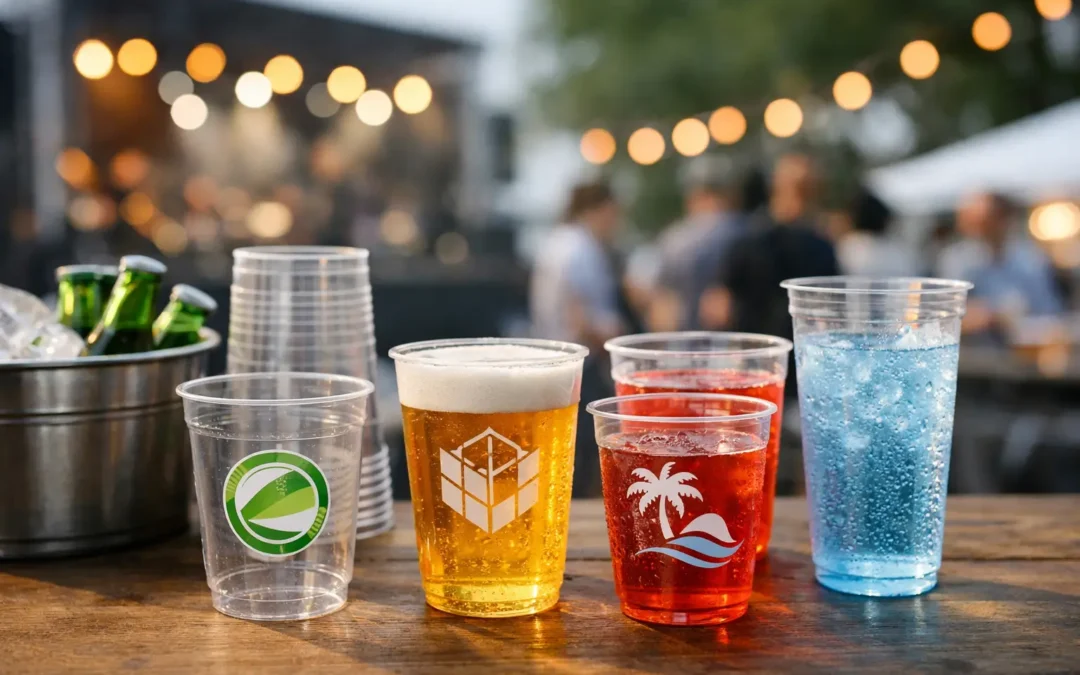
A stack of branded cups left after a busy function can look like a disposal problem, but it may actually be an asset for your next event. So, can plastic glasses be reused? In many cases, yes – provided they are made for repeat use, remain in good condition and are cleaned properly between occasions.
For clubs, venues, marketing teams and hosts planning celebrations, reusable plastic drinkware offers a practical way to reduce repeat purchasing while keeping your branding or event design in view. The key is choosing the right product from the start and setting up a simple system for collection, washing and storage.
Can Plastic Glasses Be Reused Safely?
Reusable plastic glasses are designed to be used more than once. They are typically made from stronger food-grade plastics than thin, single-use party cups, so they can better handle regular washing, transport and normal event use. Many are suitable for cold drinks, and selected styles can also be appropriate for particular hospitality applications.
However, not every plastic cup should be treated as reusable. Lightweight disposable cups can split, scratch or lose their shape after use. Even when they appear intact, their thin construction can make thorough cleaning less reliable. Reusing a cup that was intended for one occasion may save a few dollars initially, but it can create a poor experience for guests and a less polished presentation for your brand.
The safest approach is straightforward: use durable drinkware supplied for repeat service, inspect it after every event, and retire any glass that is cracked, heavily scratched, warped or difficult to clean. A cup that has held strongly coloured drinks, sticky mixers or greasy residue should be washed promptly rather than left sitting overnight.
The Difference Between Reusable and Disposable Cups
The word plastic covers a wide range of products. What matters is the material, thickness, finish and intended use of the glass. A quality reusable beer glass, tumbler, stein or wine taster is built to feel more substantial in the hand and to stand up to repeated handling. This makes it a sensible option for venues, sporting clubs, festivals, corporate functions and private celebrations where cups can be collected afterwards.
Disposable cups have a place at very large events, particularly where collection is impractical or attendance is unpredictable. They can be convenient for quick service, but they are not usually the best choice when you want a keepsake, a premium branded item or drinkware that will remain useful beyond one day.
For promotional campaigns, the longer lifespan of a reusable plastic glass is often the greater advantage. A guest who takes home a well-made cup with a crisp logo, event date or campaign message may use it again at a barbecue, on a camping trip or at the office. That turns a simple serving item into ongoing brand visibility.
How to Reuse Plastic Glasses After an Event
Successful reuse starts before guests arrive. Build cup collection into your event plan, particularly if you are supplying larger quantities. At a corporate function or club night, clearly marked return tubs near exits and bar areas make it easier to recover glasses before they are thrown into general rubbish.
Once collected, sort the glasses before washing. Remove any that are cracked, chipped, badly scuffed or contaminated with non-food materials. If your glasses have names, table numbers or different event designs, separate them at this stage to make packing and future stock checks easier.
Wash reusable plastic glasses using the cleaning method recommended for that particular product. Warm water, suitable dishwashing detergent and thorough rinsing are generally appropriate for hand washing. If using a commercial dishwasher, first confirm that the glass and its decoration are suitable for the machine’s temperature and cycle. Excessive heat can affect some plastics and may reduce the life of printed artwork.
Allow cups to dry fully before stacking them away. Storing damp glasses in cartons, tubs or closed cupboards can lead to stale odours and creates more work before the next function. Once dry, pack them in clean crates or boxes away from direct sunlight, heat and heavy items that could distort the shape.
Protecting Custom Printing and Decoration
Personalised drinkware is made to be seen, so looking after the decoration matters. A well-applied print or laser-etched design can offer lasting promotional value, but it still benefits from sensible handling. Avoid abrasive scourers, harsh solvents and rough stacking against hard surfaces, as these can mark the cup or wear on the printed area over time.
Laser etching is a strong option for certain drinkware styles because the design becomes part of the surface rather than sitting on top as ink. Printed branding is ideal when you need bold colours, detailed artwork or Pantone-matched campaign visuals. The best choice depends on your artwork, the glass style and how often you expect the product to be washed and reused.
A free digital proof before production is especially useful for reusable eventware. It allows you to check logo placement, design scale and readability before your glasses are made, helping ensure they look as good on their tenth use as they do at the first pour.
When Reuse Is Not the Right Option
There are occasions where replacing plastic glasses is the sensible decision. If a cup has visible damage, persistent staining, deep scratches or an odour that remains after cleaning, it should be removed from service. The same applies when a glass has been used for a purpose outside its intended use, such as holding paint, chemicals or non-food items.
Event logistics can also affect the decision. A one-off public activation with no practical collection point may not deliver enough cup returns to justify a reuse plan. In that case, you might choose a more economical cup or build the drinkware into the promotional giveaway itself, encouraging attendees to take it home.
For hospitality operators, it is worth keeping a small replacement allowance in your stock plan. This avoids mixing tired-looking cups into service and helps maintain a consistent presentation across the bar, dining area or event space.
Choosing Plastic Glasses You Will Want to Keep
The most reusable glass is one people enjoy using. Consider the drink being served first: beer glasses and mugs suit casual bar service, flutes add a celebratory feel, wine tasters work well for tastings and functions, while mason jars and specialty cups can create a memorable look for themed events.
Capacity matters too. A cup that is too small for the drink service can lead to unnecessary refills and queues, while an oversized option may be less practical for tastings or controlled pours. Choose a format that supports the way guests will move, mingle and enjoy the occasion.
Then consider the branding. A simple logo can provide a clean, professional finish for regular club or venue use. For weddings, milestone birthdays and commemorative events, names, dates and custom artwork can turn the glass into a useful favour that guests are happy to keep. For campaigns and activations, high-contrast colours and clear messaging help your brand stand out in photographs and in everyday use afterwards.
Australian buyers also benefit from working with a supplier who can discuss quantities, artwork and production requirements before an order is placed. PlasticGlasses.net.au provides customised plastic drinkware across a wide range of formats, with hands-on support for events and branded campaigns delivered nationwide from Victoria.
A Simple Reuse Plan for Your Next Function
Reuse does not need to be complicated. Order durable glasses that suit your occasion, set up visible collection points, wash and inspect stock soon after the event, then store it clean and dry for the next booking. For recurring functions, label cartons with the product style, quantity and design so staff can find what they need without opening every box.
A little planning protects your drinkware investment and keeps your event presentation consistent. More importantly, it gives every personalised plastic glass the chance to keep serving guests and carrying your message long after the function has finished.