
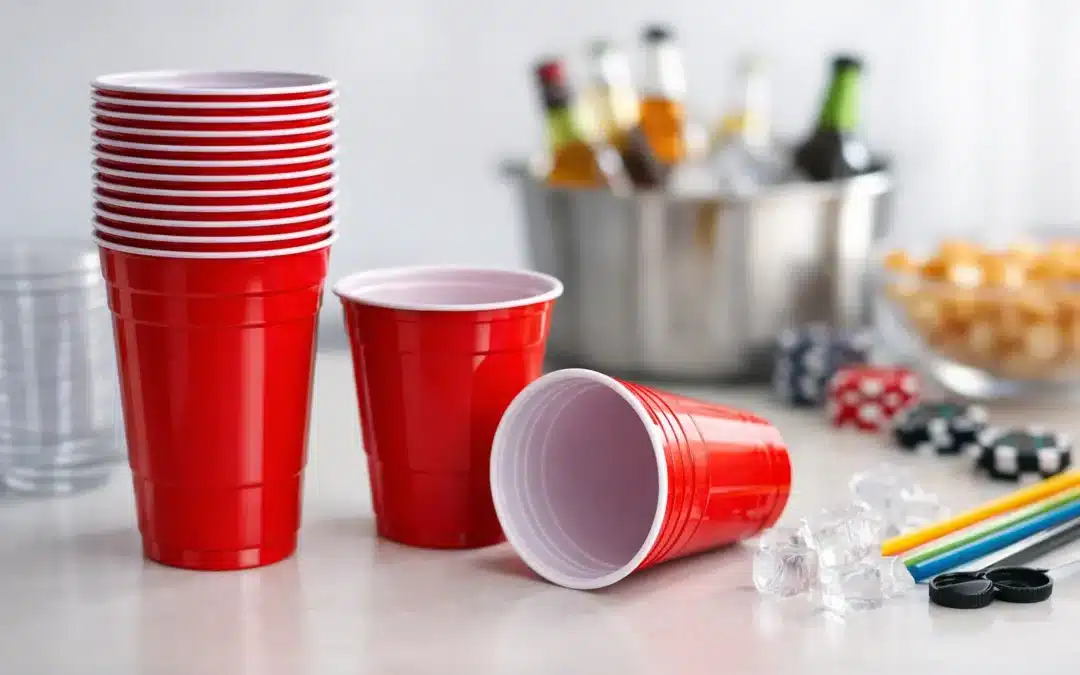
A drinks station that runs short on cups is noticed immediately. Guests queue with empty hands, staff start rinsing or improvising, and a well-planned event suddenly feels less polished. Learning to calculate party cup quantities before you order keeps service moving and helps you spend where it matters – on quality drinkware, a great presentation and enough stock for the full occasion.
The right number is rarely the same as the guest count. It depends on how long people will stay, what they are drinking, whether cups are collected and washed, and whether a personalised cup is part of the experience. Use the guide below as a practical starting point, then adjust it to suit your venue, guest list and event format.
Start with guest numbers and event length
Your confirmed attendance figure is the foundation, but it should not be the final number you use. Include hosts, speakers, volunteers, caterers and bar staff who may need a drink during the event. For an RSVP-based wedding or corporate dinner, work from expected attendees. For an open community day, club event or promotional activation, estimate your peak attendance rather than total foot traffic alone.
Length matters because people generally use more cups as an event continues. A two-hour product launch with a limited beverage offering needs a different allowance from a six-hour birthday party with beer, wine, soft drinks and water available throughout. Warm Australian weather can also increase demand for water and cold drinks, especially for outdoor functions.
Consider the way drinks are served. Table service and a managed bar can reduce unnecessary cup use. A self-serve station, on the other hand, usually creates more changeovers as guests try different drinks, misplace a cup or prefer a fresh one.
Choose your cup-use approach
There are two sensible ways to estimate use. The first is a single-cup model, where each guest receives one durable personalised plastic glass to keep and reuse. This works particularly well for seated celebrations, staff functions and branded hospitality events. It creates a more considered experience and can reduce the total quantity needed, provided washing facilities or a clear reuse message are available.
The second is a multiple-cup model, where guests use fresh cups throughout the event. It is often the practical choice for busy bars, large gatherings and events where collecting cups is unrealistic. This approach needs a higher allowance, but it protects service speed and hygiene when volumes are high.
Calculate party cup quantities with a simple formula
A reliable calculation is:
Number of guests × cups per guest + a contingency allowance = order quantity
For a one-cup reusable model, allow one cup per person plus 10 to 15 per cent extra. For example, 100 guests would usually mean ordering 110 to 115 cups. The extra covers late additions, breakages, misplaced cups, staff and the inevitable guest who wants a second design or a clean replacement.
For a multiple-cup model, use your event length and beverage range to set the cups-per-guest figure. The following estimates are a useful guide for standard party cups and plastic glassware:
| Event type | Suggested allowance | | — | — | | Short function up to 2 hours | 2 cups per guest | | Casual party of 3 to 4 hours | 3 cups per guest | | Long celebration of 5+ hours | 4 cups per guest | | High-turnover festival or activation | 4 to 6 cups per guest |
After multiplying, add a 10 to 15 per cent contingency. If your 80-person engagement party runs for four hours, the calculation is 80 × 3 = 240 cups. Adding 15 per cent brings the total to 276, so ordering around 280 cups is a sensible, service-ready quantity.
It is better to round up to a practical order total than to order precisely to the calculation. A small reserve costs far less than a last-minute shortage, particularly when custom-printed drinkware has been produced specifically for your event.
Adjust the quantity for your drinks menu
Not every beverage requires the same cup, and guests do not always use one vessel for every drink. Beer, cider, sparkling wine, cocktails, spirits with mixers, soft drink and water may each call for a different format. If you are supplying multiple styles, calculate each category separately instead of dividing one total evenly.
A wedding with beer glasses, wine cups and water cups, for instance, may need one wine cup and one water cup per seated guest, plus a higher beer glass allowance for bar service. A daytime corporate event might only need a branded tumbler for water, juice and soft drinks. The drinks list should lead the order, not the other way around.
Glass capacity is also worth considering. Smaller wine tasters are suited to tastings and controlled serves, while beer cups, steins or larger tumblers suit longer occasions where guests are less likely to return to the bar for frequent refills. Choosing a format that fits the drink can help manage both beverage consumption and cup quantities.
When one branded cup is enough
Personalised plastic glasses often perform best when they are treated as event merchandise rather than disposable eventware. A guest’s name, wedding date, club logo, sponsor artwork or campaign message gives the cup a purpose beyond the bar. Guests are more likely to hold onto it, reuse it during the event and take it home afterwards.
For this model, provide a clearly visible collection point or place one cup at each table setting. If guests receive their cup on arrival, include a simple message such as “Please reuse your cup throughout the evening”. It is a small operational detail that can substantially reduce the number of replacements required.
This option has a trade-off. It relies on guests remembering their cup and on the venue having a practical way to wash or manage reusable drinkware if required. For large standing events, high-energy crowds or locations with limited facilities, allowing more cups per person may still be the better choice.
Allow extra for the realities of the venue
The best calculation accounts for what actually happens on site. Outdoor events need a larger buffer because wind, heat, spills and movement all increase cup loss. Venues with several bars or beverage stations should hold spare stock at each location, rather than keeping every extra cup in one storeroom.
A mixed-age event can also influence quantities. Family celebrations often need a separate supply of smaller cups for soft drinks and water, while an 18th, club presentation night or hospitality function may have stronger demand for beer and mixed-drink formats. If alcohol is being served, ensure your service plan follows venue requirements and responsible service practices.
Do not forget the people behind the event. Staff, entertainers, vendors and volunteers may not be included in the original guest count, yet they still need water and refreshments. Adding them early avoids drawing from your contingency stock before guests arrive.
Order for presentation as well as practicality
Cup quantity is only one part of a successful order. Think about where the drinkware will be seen: on tables, in guest photos, behind a bar or in customers’ hands at a promotional activation. A well-chosen cup shape and clear custom print can keep your message visible long after the event finishes.
For corporate functions and branded campaigns, estimate a few additional units for photography, VIP packs, staff use and post-event samples. For weddings and milestone celebrations, spares are useful for keepsakes and for guests who could not attend. These are modest additions, but they can extend the value of a personalised order.
Before production, confirm your final artwork, print colours, cup style and delivery timing. A digital proof is the ideal point to check logo placement, spelling and any event date. Ordering with enough lead time also gives you room to make decisions based on the finished guest list rather than an early estimate.
Make the final number easy to action
Once you have chosen your cups-per-guest allowance, round up, add your buffer and order with confidence. For tailored advice on cup styles, print options and quantities for an Australian event, PlasticGlasses.net.au can help turn your plan into practical, personalised drinkware.
A few spare cups tucked behind the bar may never make the run sheet, but they are often what keeps the occasion looking organised from the first toast to the final farewell.