
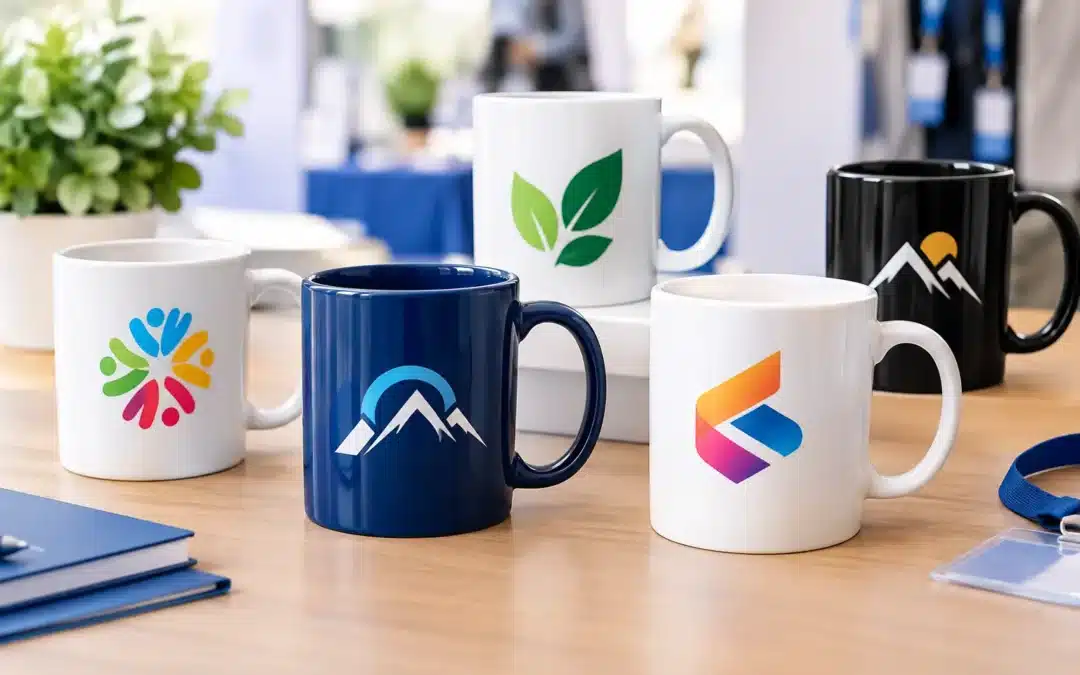
A branded mug has a job to do long after the first drink is poured. At a club fundraiser, brewery launch, trade stand or milestone birthday, it needs to feel good in the hand, look sharp in photos and keep your name visible well beyond the event. This promotional mug branding guide will help you make practical choices about product style, artwork and finish, so your custom drinkware works as a genuine brand asset rather than an afterthought.
Start with the occasion and the person holding the mug
The best promotional mug is not simply the one with the largest print area. It is the one that suits how people will use it. A sturdy beer mug or stein makes sense for a sporting club presentation, beer festival or hospitality promotion. A handled plastic mug can also be a smart choice for outdoor functions, community events and venues where glass is impractical.
Think about where the mugs will end up after the event. If guests are likely to take them home, choose a style they will happily reuse. If they are being used during a single activation, easy handling, durability and a clear logo may matter more than a detailed commemorative design.
For corporate events, a clean, professional mug with restrained branding often delivers the strongest result. For weddings, birthdays and reunions, names, dates and a custom illustration can create a keepsake people actually want to keep. There is no one-size-fits-all approach – the right choice depends on the audience, serving format and purpose of the campaign.
Choose a mug style that supports your brand
Mug shape influences both presentation and usability. A classic handled beer mug communicates generosity and celebration, while a stein-style design can give merchandise or themed events a more distinctive look. Clear plastic creates a crisp, contemporary presentation and lets the colour of the beverage remain part of the experience. Frosted finishes can soften the appearance of condensation and give artwork a different visual feel.
Capacity is just as important. A larger mug may suit beer, cocktails or generous soft drink serves, but it can be unnecessary for tastings and sampling. Smaller formats reduce waste and make stock easier to manage at busy events. Hospitality operators should also consider their standard serve sizes and storage requirements before committing to a shape.
Plastic drinkware is particularly useful where safety, portability and repeat use are priorities. It is well suited to poolside areas, outdoor venues, festivals, sporting grounds and large functions. The material and construction should always match the setting, including any venue-specific safety rules or reuse requirements.
Promotional mug branding guide: keep the design easy to read
A mug gives you a curved print surface, not a flat brochure page. That changes how artwork should be prepared. Fine details can disappear at a distance, and a design that looks balanced on a computer screen can feel crowded once wrapped around a drink vessel.
Start with the essential message. For many businesses, that is a recognisable logo, brand colour and short campaign line. Event drinkware may also need a date, venue name, sponsor acknowledgement or social handle. Add only what serves the purpose. When every available space is filled, the strongest part of the design is often the first thing lost.
High-contrast artwork generally gives the clearest result. Dark print on clear or light plastic is often highly legible, while light artwork can stand out effectively on darker drinkware where available. If your brand relies on particular colours, Pantone colour matching can help keep the finish aligned with your wider campaign materials.
Avoid placing critical copy too close to the top or bottom edges. These areas can be affected by the mug shape, hand placement and the way the item is viewed when filled. Keep important details in the central printable area, and allow enough breathing room around the logo.
Design for a quick glance
Most people will see a promotional mug from a few metres away, across a bar or in a photograph. They should be able to identify the brand without reading a paragraph. A bold mark and a single clear message will often outperform a complex design full of small text.
If you are creating mugs for multiple sponsors, consider a hierarchy. The event or venue brand may need the primary placement, while supporting logos can sit in a secondary position. This gives every partner visibility without making the finished mug feel like a crowded noticeboard.
Match the print method to the result you want
Custom drinkware can be printed or laser-etched depending on the product, material and artwork. Each option has a different visual character, so it is worth deciding what matters most before finalising your order.
Printed branding is ideal when colour is central to the design. It can reproduce bold logos, campaign artwork and event details that need immediate visual impact. It is a strong option for promotional campaigns, branded merchandise and functions where the drinkware needs to match signs, uniforms or packaging.
Laser etching creates a more subtle, permanent-looking finish on suitable products. It can be particularly effective for premium gifts, commemorative pieces and designs where a refined tonal mark suits the brand. However, it does not reproduce full colour, so it may not be the best fit for artwork that depends on bright hues or complex gradients.
Your artwork, chosen mug and required quantity will influence the best production method. A free digital proof is valuable at this stage. It lets you check logo placement, scale, colours and overall balance before production begins. Take time to review it carefully, especially names, dates, phone numbers and event wording. A proof is the point to correct a small issue before it becomes a large batch of drinkware.
Order quantities with the real event in mind
Ordering too few mugs can disrupt service and leave guests without a takeaway. Ordering far too many can use up storage space and stretch a budget that could be spent elsewhere. Start with expected attendance, then consider whether each guest receives one, whether mugs will be washed and reused during the event, and whether you want extras for staff, sponsors or late registrations.
For a ticketed event, it is sensible to allow for a modest buffer. For public activations, estimate foot traffic honestly rather than ordering based on best-case attendance. If the mugs are being sold as merchandise, consider a smaller initial run if demand is uncertain, particularly for a first-time design.
Quantity can also affect unit value and production planning. Larger orders may provide better value per item, but only if you have a realistic use for the stock. A consultative supplier can help you balance budget, lead time and intended use rather than pushing you towards a quantity that does not suit the event.
Plan for timing, artwork and delivery
Custom production needs more lead time than buying plain stock from a shelf. The process usually includes selecting the product, supplying artwork, confirming a digital proof and moving into production before delivery. If your event date is fixed, work backwards from it and leave room for approvals, internal sign-off and freight across Australia.
Provide the cleanest artwork you have available. Vector logo files are generally preferred for sharp reproduction, while high-resolution artwork gives the production team a better starting point than a small image copied from a website or social post. If you are unsure what file you have, ask early. It is easier to resolve artwork questions before a deadline is close.
Clear communication makes a meaningful difference. Share the event date, delivery location, required quantity and any non-negotiable brand colours from the beginning. PlasticGlasses.net.au provides tailored support, digital proofs and nationwide fulfilment from Victoria, helping customers turn a brief into drinkware that is ready for the occasion.
Make the mug part of the experience
A branded mug becomes more valuable when it has a role in the event. Use it as a welcome gift, a drink token, a membership incentive, a sponsor inclusion or a limited-edition item for attendees. Place it where guests can see it early, then give them a reason to keep using it throughout the day or night.
For longer-term campaigns, choose a design that will not date immediately. A campaign-specific message can be powerful for a one-off launch, while a clean version of your core brand may have greater reuse value for venues, teams and staff. The practical choice is the one that gives your audience a useful item and gives your organisation another visible moment after the event has finished.