
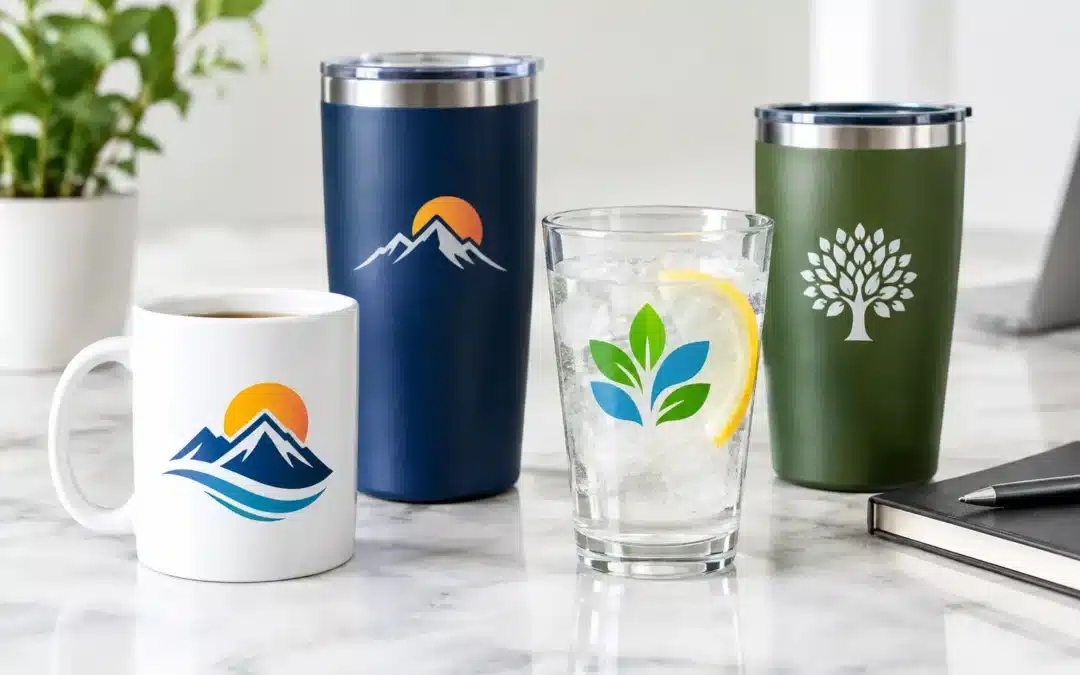
A printed cup can be handed over in seconds, then sit in a customer’s kitchen cupboard, office drawer or camping kit for years. That is why it pays to plan branded drinkware as more than event stock. The right glass gives guests something useful on the day while putting your name, campaign or celebration back in front of them well after the last drink is poured.
For a club fundraiser, brewery launch, wedding or corporate activation, the strongest results come from matching the vessel, artwork and order quantity to the way people will actually use it. A practical plastic glass that feels right in the hand is far more likely to be kept, reused and remembered.
Start with the occasion, not the logo
Before choosing a glass style, consider what is being served and where it will be used. A busy outdoor festival has different requirements to a formal awards night, while a hospitality venue may need durable, repeat-use drinkware that works with its existing service routine.
Beer glasses, steins and handled mugs suit tastings, pubs, sporting clubs and Oktoberfest-style events. Wine tasters and flutes create a more polished presentation for cellar doors, weddings and launches. Mason jars bring a relaxed, contemporary feel to markets, parties and country-themed celebrations. Specialty cups can work well for promotional campaigns where portability, colour or a distinctive shape is part of the appeal.
The best choice is not always the most decorative one. If guests will be standing, moving between areas or attending an event with limited table space, a comfortable, stable cup may be more valuable than a delicate-looking option. For venues and clubs, stackability, durability and ease of handling can matter just as much as presentation.
Think about the drink experience
Capacity deserves proper attention. A small tasting glass is ideal when you want people to sample several products, control portions or create a collectible set. A larger beer cup or mug is better suited to longer service and takeaway-style event use. If soft drinks, water and mixed drinks will all be served, a versatile format can reduce the need to order several separate styles.
It also helps to consider the serving environment. Clear drinkware lets beverage colour stand out and keeps artwork crisp against the contents. Coloured plastic can strengthen a campaign palette or make glasses easier to identify in a crowd, though it may affect how certain ink colours appear. Ask for a digital proof before production so the final design is considered on the actual product, not just on a screen.
Plan branded drinkware around the design
A great logo does not automatically make great drinkware artwork. Curved surfaces, transparent materials and limited print areas call for a design that is clear at a glance. The goal is recognition, not a miniature brochure.
Start with the elements people need to see first: your logo, event name, campaign message or date. For commemorative glasses, a short line of text can add meaning without clutter. For promotional drinkware, a bold brand mark and one simple message generally carry further than a crowded layout with multiple contact details.
Fine type, intricate illustrations and low-contrast colours can lose impact when printed at small scale. That does not mean detailed branding is off the table, but it may suit a larger mug, stein or specialty cup better than a small taster. A supplier that prepares a free digital proof can help identify where line weight, spacing or placement should be adjusted before anything goes to print.
Choose a branding method that suits the result
Printed branding is a practical choice for colourful logos, campaign artwork and bold event messaging. Pantone colour matching can be particularly useful when brand consistency is essential across signage, uniforms and promotional products. It is worth supplying the best available artwork file and confirming the colours that matter most to your identity.
Laser etching offers a different finish, creating a refined, permanent-looking result on suitable drinkware. It can be an excellent fit for corporate gifts, premium merchandise, commemorative occasions and designs that rely on clean contrast rather than bright colour. The trade-off is that etching does not reproduce a full-colour logo in the same way print can.
Your choice depends on the product, artwork and purpose. A vibrant festival logo may call for print, while a wedding monogram or staff recognition gift may look stronger etched. Discussing the intended result early avoids selecting a method simply because it sounds more premium or more economical.
Set quantities with a realistic buffer
Ordering too few branded glasses can create unnecessary pressure at an event. Ordering far too many can tie up budget and storage space. The sensible quantity depends on guest numbers, event duration, washing facilities, whether glasses are collected as keepsakes and whether you want stock left over for future promotions.
For a one-off celebration where each guest receives a glass, plan around attendance and add a modest buffer for breakage, extra guests and last-minute changes. For a bar, club or multi-session event, think about circulation. The same glass may be used several times if washing is practical, but high-volume service normally requires more stock than the headcount suggests.
Promotional campaigns need another calculation: distribution. If glasses are being given away at a trade stand, included in a product bundle or used as a reward, estimate how many genuine prospects you expect rather than ordering only to fill a target number. A well-used smaller run can provide better value than surplus product that never leaves the storeroom.
If you are ordering for several locations, build the allocation into the quote from the start. National delivery is straightforward when cartons, destinations and required dates are clearly planned. For Victorian events, local coordination may be simpler, but the same principle applies: allow time for production, freight and a final check when the order arrives.
Build timing into the plan
Custom drinkware is made for your artwork and requirements, so it should not be treated as a last-minute purchase. Artwork approval, production scheduling and delivery all need room in the timeline. The more bespoke the product, print treatment or quantity, the earlier you should begin the conversation.
Start by confirming your event date, the date you need stock in hand and where it needs to go. Then prepare your logo files, preferred wording, approximate quantity and a clear idea of the glass style. This gives your supplier the information needed to provide useful recommendations rather than a generic estimate.
Proof approval is a key checkpoint. Check spelling, dates, logo position, colour direction and any artwork that wraps around the glass. It is easy to focus on the headline design and miss a small detail such as an incorrect event year or an outdated sponsor logo. Taking a few extra minutes here protects the whole investment.
Make the glass part of the experience
Branded drinkware works best when it has a role beyond carrying a beverage. At a tasting, it can act as an entry item and a souvenir. At a wedding, it can complement place settings or become a thank-you gift. At a corporate function, it can reinforce the event identity without adding more printed collateral to a crowded table.
For hospitality operators, a custom glass can become part of the venue’s visual language. Guests photographing a signature drink, taking a souvenir home or returning for a familiar serving experience all create valuable brand exposure. The glass does not need to dominate the occasion. It simply needs to look considered and feel useful.
PlasticGlasses.net.au works with Australian customers on tailored plastic drinkware for occasions ranging from large promotional activations to personal milestone events. With a broad product range, custom print and laser-etching options, and digital proofs before production, the process can be shaped around your artwork and quantity requirements.
The most memorable branded glass is rarely the one with the most information printed on it. It is the one people are happy to use again. Choose a format that suits the moment, keep the artwork confident and clear, and give yourself enough time to get every detail right.