
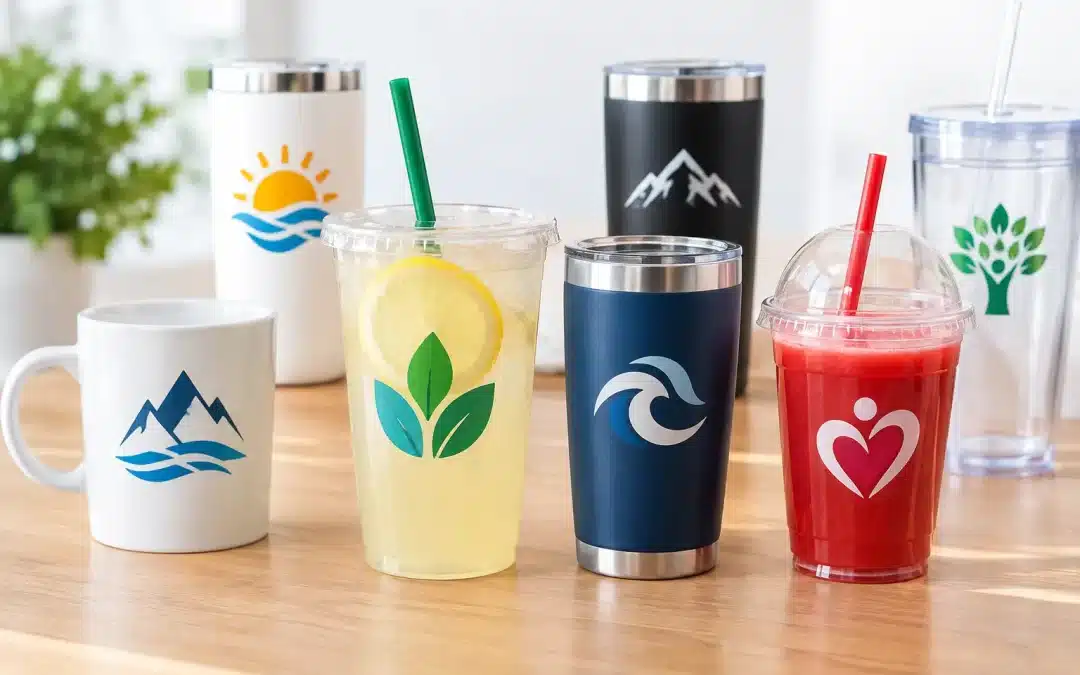
A guest list of 200 does not always mean an order of 200 cups. The right answer to how many branded cups needed depends on whether guests keep their drinkware, how long the event runs, what is being served and whether the cups are part of the experience or simply practical eventware. Order too few and service slows down. Order well and every drink becomes a visible reminder of your brand, celebration or club.
For corporate functions, hospitality venues, fundraising days and milestone parties alike, custom plastic cups need to work hard. They need to suit the drinks being poured, look right in photographs and remain available when the crowd is at its busiest. A clear quantity plan makes that much easier.
Start with guest numbers, then allow for real behaviour
Your confirmed attendee number is the foundation, not the final order quantity. Start there, then consider what your guests will actually do with their cups. At a seated dinner with table settings, each person is likely to use one or two items. At a busy outdoor festival, race day or club function, people may misplace cups, move between bars or return for a different drink.
As a practical starting point, allow one branded cup per guest for an event where cups are intended as a take-home item. Add 10 to 15 per cent for late registrations, breakages, staff, suppliers and guests who want a second cup. For 200 attendees, that generally means ordering 220 to 230 cups.
If the cups will be collected, washed and reused during the event, the number can be lower, but only when you have a reliable collection and wash process. Reusable service reduces waste, yet it can create delays if there are not enough cups in circulation. This approach is best suited to venues, clubs and organised events with the staff and facilities to manage it.
How many branded cups are needed by event type?
The occasion changes the quantity calculation. A branded schooner-style plastic glass for a brewery activation is used differently from a flute at a wedding or a small tasting cup at a product launch.
Corporate events and conferences
For a conference, awards night or staff celebration, plan for 1.1 to 1.25 cups per attendee when the drinkware stays with guests. The lower end suits a short, structured event with a single beverage service. The higher end makes sense for a networking function with beer, wine, soft drink and water available over several hours.
Do not forget speakers, event staff and client hosts. They are often omitted from the guest list but still need drinkware. If branded cups will appear on registration desks or in gift bags, set aside a separate quantity rather than taking stock away from the bar.
Weddings, birthdays and private celebrations
For personalised drinkware at weddings, birthdays and engagement parties, most hosts choose one cup per guest plus 10 to 20 per cent spare. The extra quantity protects against last-minute changes and gives you a few pieces to keep as a memento.
The shape matters here. A wine tumbler may be perfect for a relaxed garden wedding, while flutes suit a formal toast. If you are offering several beverage types, you may need more than one style per person. Alternatively, select one versatile cup that works for beer, wine, spirits and soft drink to keep ordering straightforward.
Festivals, sporting clubs and community events
High-turnover events need a more generous buffer. For events with walk-up attendance, use ticket sales, previous years’ figures or venue capacity to estimate the crowd, then plan for 1.2 to 1.5 cups per expected attendee. This accounts for cups being misplaced, used for different drinks or taken home before the event finishes.
For a club fundraiser, branded cups can also become merchandise. If that is the plan, separate service stock from sale stock. You do not want the bar running low because supporters have rightly decided they want an extra branded stein or mason jar to take home.
Sampling, tastings and promotional activations
Small-format drinkware changes the maths. At a tasting station, one guest may receive multiple samples. Estimate the number of pours, rather than the number of attendees, then add a sensible contingency. For example, an activation expecting 500 visitors with two tasting opportunities per person may require 1,100 to 1,200 tasting cups.
Where a cup is a premium giveaway rather than a serving vessel, base quantities on the number of qualified leads, invited guests or purchased products. A smaller, well-targeted run can create more value than handing out drinkware indiscriminately.
Use this simple quantity formula
A useful planning formula is:
Expected attendees x cups per person + contingency stock = order quantity
For a three-hour company celebration with 150 attendees, where each guest receives a custom cup to keep, the calculation might be 150 x 1.1. That gives you 165 cups, which can be rounded up to suit the most practical production quantity.
For a six-hour public event where people may use more than one cup, 150 x 1.4 gives 210 cups. The right multiplier is not about over-ordering for its own sake. It reflects the cost of running short when there is a queue at the bar and your branding is meant to be visible all day.
Factors that can change your order quantity
Before confirming artwork and production, check the details that affect cup use. These are often the difference between a tight order and a comfortable one:
- Event duration: Longer events usually mean more drink changes, misplaced cups and additional use.
- Drink selection: Beer, wine, cocktails, water and tastings may call for different formats or multiple cups per guest.
- Take-home value: Distinctive printed cups, commemorative designs and personalised names encourage guests to keep extras.
- Service model: Table service, self-serve stations and multiple bars all influence how quickly cups leave circulation.
- Venue conditions: Outdoor events, large sites and standing crowds tend to require more spare stock than intimate indoor functions.
It is also worth considering minimum order quantities and unit value. A slightly larger run can be more economical per cup and gives you stock for a follow-up event, staff room or future promotion. That said, there is no benefit in storing hundreds of dated cups after a one-off event. Match the design and quantity to the life you want the product to have.
Choose one versatile cup where possible
Ordering one all-purpose style is often the simplest way to control quantities. A quality reusable plastic cup that handles beer, wine, mixed drinks and soft drink reduces confusion behind the bar and makes ordering easier. It is particularly useful for casual corporate events, community days and outdoor celebrations.
Multiple cup formats can elevate a premium occasion, but they require closer planning. If guests receive a beer glass and a wine tumbler, allow for the likely number of guests who will use both. A mixed-drink menu does not automatically require a separate vessel for every beverage. Your caterer or bar team can help confirm what is genuinely needed for service.
Allow time for artwork, proofs and delivery
Quantity decisions affect more than the final invoice. They influence production planning, packing and freight. Confirm your guest estimate early, then allow room for RSVPs and late changes before approving the final quantity.
Custom drinkware should also be designed with the event purpose in mind. A simple logo may suit a promotional campaign, while a wedding date, sponsor line-up or club anniversary deserves a more detailed layout. Free digital proofs are valuable at this stage because they let you check logo placement, text size and print colour before production begins.
PlasticGlasses.net.au can help customers choose a practical format and quantity based on the occasion, artwork and delivery requirements. With more than 20 years of experience and nationwide fulfilment from Victoria, the focus is on making custom drinkware straightforward from proof to delivery.
Order with a sensible spare margin
The best quantity is the one that lets guests enjoy the event without anyone counting the last few cups behind the bar. Build in a realistic buffer, choose a cup that suits the drinks and the setting, and treat each piece as a useful branded asset rather than a disposable afterthought. When you are ready to turn guest numbers into a tailored order, a clear brief on attendance, timing and beverage service will lead to a better result.