
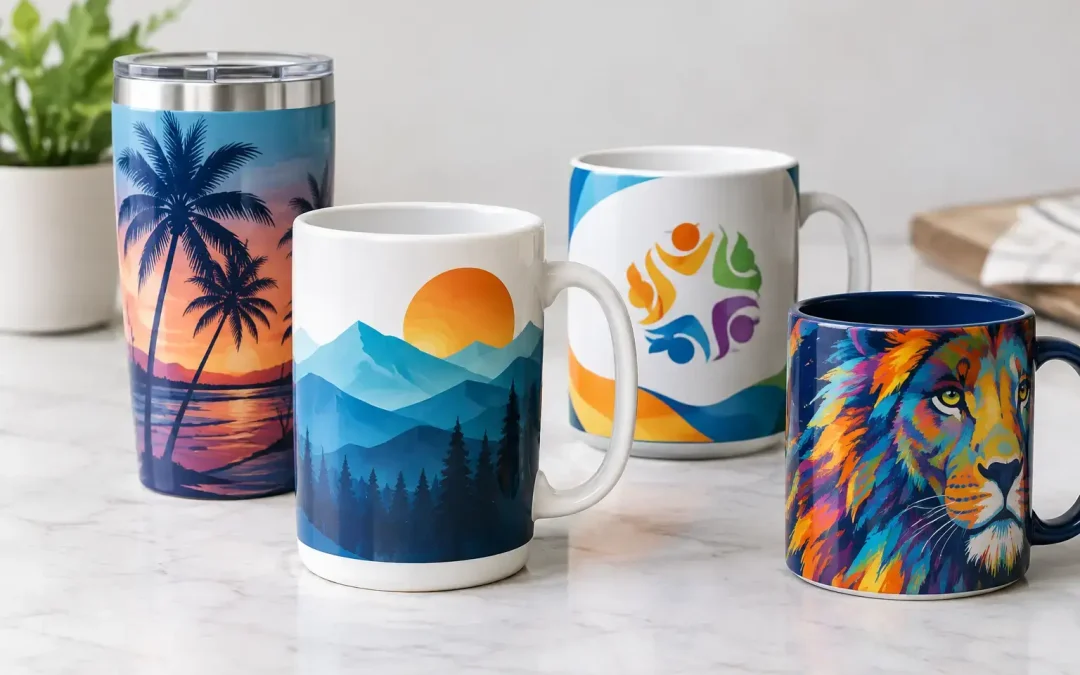
A logo that runs around a cup can turn every drink into a moving piece of event branding. But can logos wrap around cups and still look sharp from every angle? Yes, provided the artwork, print method and cup shape are planned together. A wrap design is one of the most effective ways to give guests, customers or members a branded item they will actually use throughout the event and take home afterwards.
For corporate functions, club fundraisers, hospitality venues and milestone celebrations, custom plastic drinkware offers far more than a place to pour a drink. It puts your brand in guests’ hands, in event photos and across the bar. The difference between an impressive result and a cluttered one often comes down to understanding the printable area before the design goes to production.
Can Logos Wrap Around Cups Successfully?
Yes. Logos, artwork, patterns and messaging can be printed around many plastic cups, glasses, steins, mason jars and specialty drinkware formats. The available coverage depends on the product’s dimensions, taper, handles, moulded features and chosen decoration method.
A cylindrical cup with straight sides generally provides the easiest surface for a broad wrap. It gives artwork a consistent path around the vessel and allows text or repeating graphic elements to stay visually even. Tapered cups can also look excellent, but their narrower base means artwork may need to be adjusted to avoid distortion or an awkward join.
The aim is not always to print a literal 360-degree image. In many cases, a near-wrap design with a small unprinted gap creates a cleaner and more practical finish. That gap is usually positioned at the back of the cup or where the artwork naturally ends, so the main logo remains prominent when the cup is held or photographed.
Why a Wrapped Cup Design Gets Attention
A single logo on one side of a glass has its place, especially for understated hospitality branding or smaller quantities. A wrap-around print, however, creates stronger visual presence. It allows room for a logo, campaign line, event date, sponsor acknowledgement or a repeating graphic without forcing every detail into one small panel.
For a brewery promotion, for example, a wrap might combine the main logo with hop illustrations and a short message. A sporting club could feature its crest on the front, team colours around the body and a commemorative season detail on the reverse. At a wedding or birthday, a simple monogram can be repeated with names and the event date for a personal keepsake that still feels polished.
There is a practical marketing benefit as well. Cups move. They are carried between tables, bars, food areas and dance floors. A design visible from more than one angle has more opportunities to be noticed than a small front-only print.
Cup Shape Changes What Is Possible
The best design begins with the drinkware, not just the logo file. A tall beer glass, a plastic wine taster and a handled stein each offer a different canvas.
Straight-sided beer glasses are well suited to horizontal bands, repeating patterns and wide branding. Their consistent surface makes them a reliable choice for promotional activations, venues and larger event orders. Mugs and steins can accommodate strong artwork too, although handles create a natural break in the design. Rather than treating that break as a problem, it can become the start and finish point of the wrap.
Mason jars have distinctive shaping and a handle, so they often suit a front-focused logo supported by decorative elements around the remaining surface. Flutes and wine glasses have narrower print zones and more delicate proportions. They can carry elegant branding, but a restrained design often delivers the best result.
A tapered party cup can still carry a wrap, but text needs particular care. A straight line of small lettering may appear to curve or compress as it follows the cup. Experienced artwork setup accounts for this before printing, rather than trying to correct it after production.
Leave room for the cup to do its job
The rim, base and any textured or moulded areas may not be suitable for printing. There also needs to be a practical margin from the top edge, where hands, lips and washing can cause extra wear. A professional proof should show the actual print area so there are no surprises about placement or scale.
How to Prepare Artwork for a Cup Wrap
High-quality artwork gives your project more flexibility, particularly when the logo will be enlarged or repeated around a larger cup. Vector files are ideal because they can be scaled without becoming blurry. If you only have a PNG, JPEG or screenshot, it may still be possible to work with it, but the quality and original size will affect the final outcome.
Keep fine details in proportion to the cup. A tiny tagline that reads beautifully on a computer screen may be difficult to read once printed on a curved surface. Likewise, very thin lines can lose definition depending on the print process, cup material and chosen colour.
Before approving your digital proof, check these four essentials:
- the logo is large enough to read at arm’s length;
- text is not too close to the top, bottom or edge of the print area;
- colours match the intended brand palette as closely as the decoration method allows; and
- the design join is discreet and does not cut through important wording or imagery.
Pantone colour matching can be particularly valuable for established brands, sponsors and organisations that need their colours represented consistently. For personal events, choosing one or two strong colours can be a cost-effective way to create a memorable result without overcomplicating the artwork.
Choose a Design That Works From Every Angle
Not every logo needs to be stretched across the full circumference. The most successful wrap designs are built for the way people naturally hold and view a cup.
A centred logo with a complementary pattern on each side is a dependable option. It gives you a clear hero position for the brand while adding visual interest as the cup turns. Another approach is a repeating logo pattern, which works well for campaigns, festivals and venues where broad recognition matters more than a single front-facing mark.
For information-heavy event cups, consider dividing the design into zones. The front can carry the main logo, one side can display a slogan or event name, and the reverse can include sponsor artwork, a date or a simple call to action. This keeps the cup purposeful without making it feel crowded.
Avoid placing essential information directly across the join point or around the tightest curve of a tapered cup. Also be cautious with faces, detailed photographs and fine gradients. These can look effective on the right product and with the right print method, but simpler vector artwork is generally more dependable for promotional drinkware.
Print Method and Quantity Both Matter
The right production method depends on the drinkware style, artwork complexity, required durability and order quantity. Single-colour screen printing is a practical choice for bold logos and uncomplicated designs. It can deliver crisp, high-impact branding that suits clubs, events and corporate merchandise.
Multi-colour printing gives more scope for layered artwork, campaign visuals and brighter promotional designs. Where a premium, understated finish is preferred, laser etching can be an excellent option on suitable drinkware. It creates a permanent marked effect rather than a colour print, making it particularly appealing for commemorative items, hospitality use and more refined branding.
There are trade-offs. A full multi-colour wrap may require more setup and a higher budget than a one-colour front print. A detailed design might look best on a larger straight-sided vessel rather than a small flute. If turnaround is tight, choosing a readily available product and simplifying the print can help keep the project on schedule without sacrificing impact.
This is where a tailored quote and a free digital proof are useful. They allow the cup, artwork, quantity and print requirements to be assessed together before production begins. It is a more reliable path than assuming every design will fit every glass in the same way.
Make the Branded Cup Part of the Occasion
Wrapped logo cups work hardest when they are treated as part of the event experience, not an afterthought. Use them for welcome drinks, bar service, tasting paddles, product sampling, staff functions or take-home packs. If the design has a specific date, limited campaign artwork or an anniversary message, it becomes a keepsake as well as useful eventware.
PlasticGlasses.net.au helps Australian customers select custom plastic drinkware that suits the occasion, artwork and intended quantity, with practical support from proofing through to nationwide delivery. Whether you are organising branded glasses for a venue, a fundraiser, a promotion or a personal celebration, the right cup format makes the design easier to notice and remember.
A wrap-around logo can give your event a more considered, professional finish. Start with the cup shape, keep the key message clear and let the artwork work with the curve rather than fight it. The result is drinkware people will be happy to hold onto long after the last round is poured.