
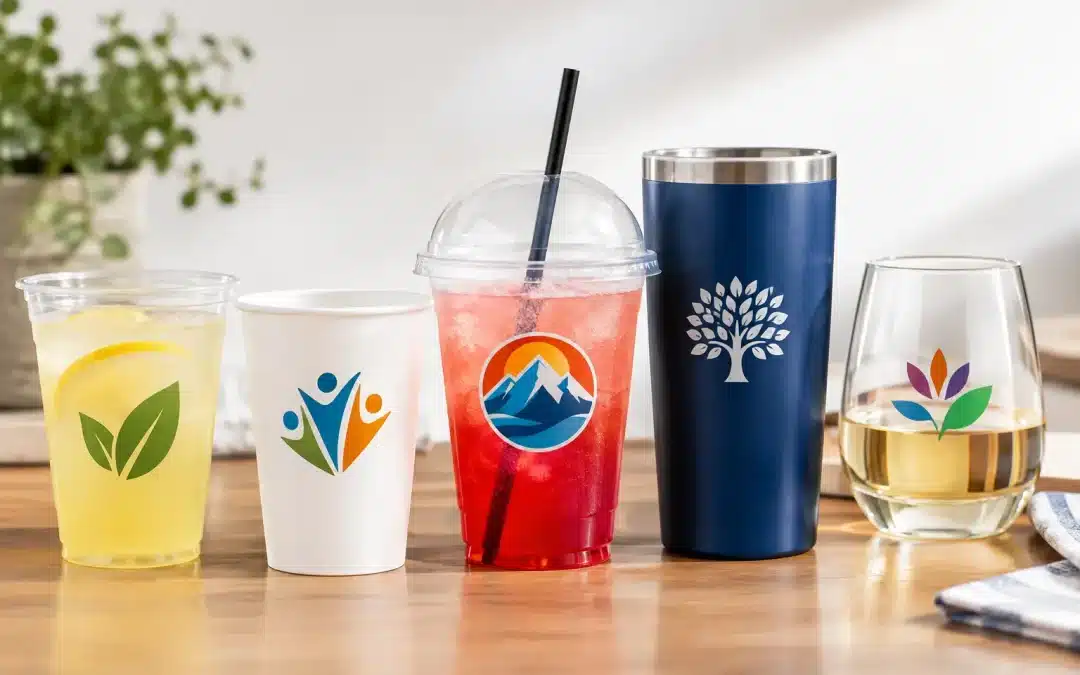
The wrong cup size creates problems guests notice straight away: warm beer, oversized wine pours, queues at the bar, unnecessary waste or a drink that simply looks out of place. This event cup sizing guide helps you match plastic drinkware capacity to the occasion, the beverage and the way people will use it. It is a practical starting point for corporate functions, club events, weddings, hospitality venues and branded activations across Australia.
Cup capacity is not just a product detail. It affects serving speed, stock planning, presentation and how well your custom branding performs in people’s hands and photos. The best option is rarely the biggest cup. It is the one that makes the drink easy to serve, comfortable to hold and appropriate for the event you are running.
Event Cup Sizing Guide: Start With the Drink
Choose capacity around the beverage first, then consider the event format. A sparkling wine flute needs a very different shape and fill level from a beer cup at an outdoor music event. Likewise, a tasting event benefits from smaller vessels that encourage sampling, while a long corporate lunch may call for a more generous water or wine option.
A useful rule is to select a cup with enough headroom above the intended serve. Headroom allows for foam on beer, ice in mixed drinks and safe movement through a busy room. Filling a cup to the brim may seem economical, but it leads to spills and gives staff less control over consistent service.
| Event drinkware type | Common capacity range | Best suited to | |—|—:|—| | Tasting cups or wine tasters | 100-200 mL | Cellar doors, product sampling, tastings and launches | | Flutes | 150-200 mL | Weddings, awards nights, celebrations and sparkling wine service | | Standard wine glasses | 250-350 mL | Dinners, receptions, functions and hospitality service | | Beer cups and schooner-style options | 400-500 mL | Pubs, sporting clubs, festivals and casual functions | | Larger beer mugs, steins and specialty cups | 500 mL and above | Beer-focused events, merchandise and themed celebrations |
These ranges are a guide rather than a fixed rule. Product shape, the type of beverage, ice requirements and your preferred serving measure all matter. For example, a 300 mL wine glass can be ideal for a 150 mL pour, giving the wine room to breathe and keeping the presentation polished.
Match Capacity to the Event Format
Weddings and milestone celebrations
For weddings, engagement parties and birthdays, variety usually works better than a single all-purpose cup. Flutes create a refined look for arrival drinks and toasts, while wine glasses suit table service and beer glasses keep casual bar service familiar. If the event is outdoors or held at a private property, durable personalised plastic glasses offer the polished look guests expect without the breakage risk of glassware.
Consider the drinks menu before selecting sizes. A cocktail-heavy celebration may need a versatile 300-400 mL cup with room for ice and garnish. For a sit-down meal, dedicated wine glasses and beer options feel more considered. Adding names, a wedding date or a simple monogram turns each piece into a functional keepsake rather than disposable eventware.
Corporate functions and branded activations
At a corporate event, cup size should support brand visibility without making service awkward. A medium-capacity cup is often the most flexible choice for beer, soft drink, water and simple mixed drinks. It offers a useful print area for a logo while remaining easy to stack, carry and distribute.
For a product launch or promotional activation, think about how long guests will hold the cup. A smaller taster can encourage trial and keep the focus on the product, while a larger reusable cup gives your branding more time in view. Pantone-matched printing and carefully positioned artwork can help the design stay clear even when the cup is filled.
The trade-off is straightforward: larger cups provide more branding space, but they can increase beverage consumption and take up more storage room. Smaller cups control portions and can suit fast, high-volume sampling, but detailed artwork may need simplifying. A digital proof before production is valuable here, particularly for fine text, logos or designs that wrap around the cup.
Festivals, sporting clubs and busy bars
High-volume events need cups that make service faster and safer. Beer cups in the 400-500 mL range are popular because they suit familiar serves, hold foam comfortably and work well for casual drinking. If guests will be standing, moving between areas or watching sport, choose a shape that feels secure in the hand and is stable on benches and tables.
Reusable branded cups can be particularly effective for clubs, festivals and venue promotions. They reduce reliance on fragile glassware, give patrons a useful souvenir and keep your organisation visible beyond the event itself. A sturdy mug, stein or specialty cup can also become merchandise for themed events, brewery promotions and fundraisers.
When planning for a crowd, avoid choosing capacity in isolation. Check how cups will be stored behind the bar, whether they stack efficiently and how many can be carried at once. A cup that looks impressive but slows down service may not be the right operational choice.
Consider Ice, Foam and Pour Size
A cup’s stated capacity is its maximum volume, not necessarily the amount you should serve. This distinction makes a major difference to guest experience and stock control.
Mixed drinks usually need extra room for ice, mixers and garnish. A 400 mL cup may only hold a 250-300 mL finished drink once ice is added. Beer needs headspace for a proper pour, while sparkling wine benefits from a flute that supports bubbles without overfilling. Water cups can be smaller than many organisers expect, especially when staff regularly refill them or water stations are available.
If you are using standard serving measures, decide those early and select drinkware around them. This helps the bar team pour consistently and makes beverage ordering more accurate. It also prevents a common issue at functions: a cup that technically holds the drink but leaves no room to carry it comfortably.
Plan Quantities Alongside Cup Sizes
The right size still needs the right quantity. Your total depends on guest numbers, event duration, drink selection, whether cups are collected and washed, and whether people are likely to keep them. For a short, seated function with table service, fewer cups per person may be practical. For an all-day outdoor event, guests often need replacements, different cups for different drinks or an extra cup after setting one down.
Build some contingency into the order, particularly for large public events. Extras cover breakages, misplaced cups, late guest additions and last-minute staffing changes. For branded reusable drinkware, a small buffer is also sensible if you plan to retain samples for future marketing or venue use.
It is worth considering whether one versatile cup can genuinely cover several drinks. This approach can simplify ordering and reduce storage, but it may not suit every occasion. A single 400 mL cup works well for a casual barbecue, community day or outdoor activation. It is less suitable for a formal toast where a flute provides the right visual finish.
Make the Branding Fit the Cup
The cup shape you choose influences how your artwork will appear. Straight-sided cups typically offer a generous, easy-to-read print area. Tapered cups can look sleek, but artwork may need adjusting to follow the curve. Mugs and steins create strong branding opportunities because the product is substantial and often kept after the event, while smaller tasters need bold, uncluttered designs.
Keep the viewing distance in mind. At a busy event, a simple logo, event name or memorable graphic will usually have more impact than a crowded design. For commemorative drinkware, a date and short message can add meaning without competing with the main artwork. The best result balances the available print area with the purpose of the cup.
PlasticGlasses.net.au can help translate your artwork onto a practical drinkware format, with free digital proofs and a hands-on approach to custom production. This is especially useful when you are weighing up several capacities or need to coordinate cups across a broader event range.
Choose for the Moment Guests Will Remember
Good event drinkware should feel natural from the first pour to the final pack-down. Start with the beverage, allow room for ice or foam, then choose a size that fits the pace and personality of the event. When the cup is comfortable, practical and clearly branded, it does more than hold a drink – it carries the occasion with it.