
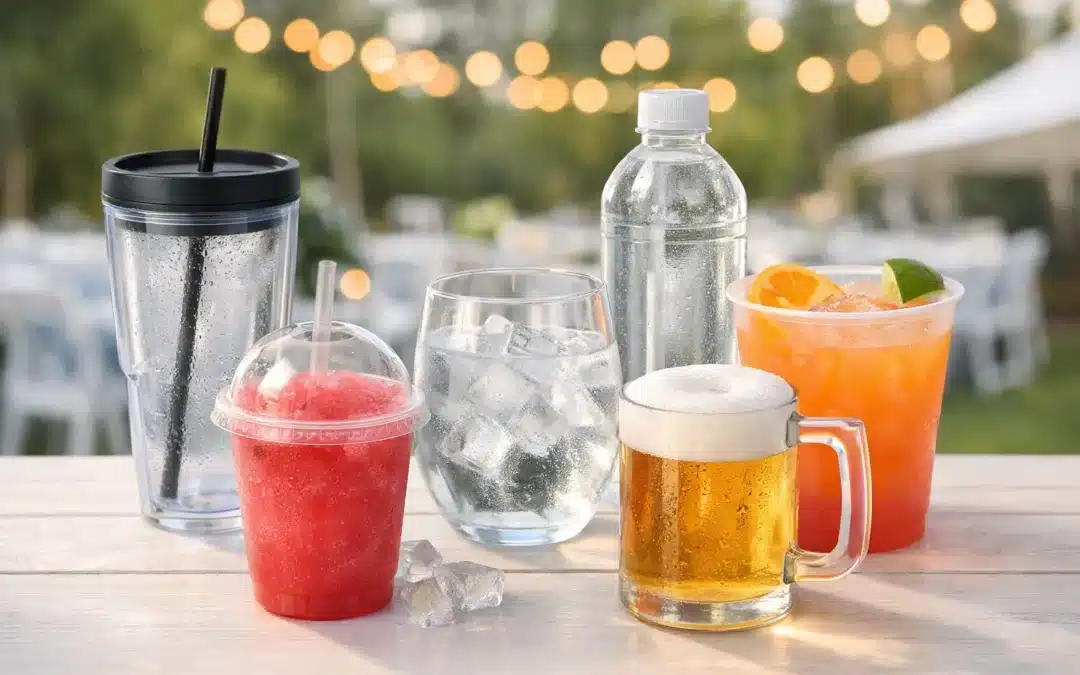
A branded cup may be a small part of an event, but it is handled, photographed and remembered long after the last drink is poured. That is why buyers often ask which plastic is BPA free before choosing personalised drinkware. The useful answer is not simply a number stamped on the base. It comes down to the specific material, the intended use and the supplier’s food-contact information.
For event organisers, hospitality venues, clubs and promotional teams, BPA-free drinkware is a practical choice that can support a polished guest experience. It also gives you a clear product attribute to communicate when selecting reusable cups, beer glasses, wine tasters, flutes, steins or specialty drinkware for your next function.
Which plastic is BPA free?
Bisphenol A, commonly called BPA, is a chemical that has historically been used in the production of certain plastics and resins. It is most closely associated with polycarbonate plastic and some epoxy linings. The plastics most commonly used for food and beverage items that are generally made without BPA include PET, HDPE, LDPE and polypropylene.
In practical terms, the safest approach is to look beyond a recycling code alone and ask for confirmation that the finished drinkware is BPA free and suitable for food and beverage use. A recycling number identifies a broad plastic family, but it does not guarantee the precise resin formulation, additives, recycled content or manufacturing process used for a particular product.
PET – recycling code 1
PET, or polyethylene terephthalate, is widely used for clear beverage bottles and some lightweight drinkware. It is commonly BPA free, clear, cost-effective and well suited to single-use or limited-reuse applications. For events where large quantities are required and presentation matters, PET can provide a crisp, glass-like look without the weight and breakage risk of glass.
Its trade-off is durability. PET is not usually the first choice for a drink vessel intended to be washed and reused repeatedly over a long period. If guests will take their glasses home as branded keepsakes, a more durable material may better match the purpose.
HDPE and LDPE – recycling codes 2 and 4
HDPE and LDPE are polyethylene plastics that are generally produced without BPA. HDPE is firm and hard-wearing, while LDPE is softer and more flexible. Both are familiar in packaging, bottles and food-related applications, although they are less commonly chosen when a highly transparent, premium-looking drinking glass is the goal.
These materials can suit specific promotional formats, particularly where impact resistance and practicality matter more than a crystal-clear finish. For a sports club, outdoor activation or family event, that balance may be exactly right.
Polypropylene – recycling code 5
Polypropylene, often called PP, is one of the most common BPA-free options for reusable plastic drinkware. It is lightweight, durable and handles regular use well. Depending on the product design, it can be translucent, frosted or coloured rather than completely clear.
PP is a strong option for festivals, community events, bars, sporting venues and corporate functions that need practical reusable cups. It also works well for custom branding, whether the artwork calls for a clean one-colour print, a Pantone-matched design or a more detailed visual treatment.
Tritan and other BPA-free specialty plastics
Some premium drinkware is made from specialty copolyesters, including Tritan. These materials are often specifically marketed as BPA free and can offer excellent clarity, toughness and a more refined feel. They may be suitable when you want reusable drinkware that looks closer to glass while remaining safer for busy venues, poolside areas and outdoor celebrations.
The cost per unit is often higher than a standard event cup, so it is best suited to branded merchandise, VIP functions, hospitality programs or commemorative occasions where the glass is intended to stay in use. A quality custom vessel can continue promoting a business, club or celebration well beyond the day itself.
Plastics that need closer checking
Not every plastic category gives a simple yes-or-no answer. Recycling code 7, labelled “Other”, covers a wide range of plastics. It can include polycarbonate, which has historically been associated with BPA, as well as BPA-free alternatives such as Tritan. For that reason, code 7 does not tell you enough on its own.
Polycarbonate is valued for its strength and clarity, but older or unspecified polycarbonate drinkware should be checked carefully if BPA-free status is a purchasing requirement. Do not assume that a clear, hard plastic is either polycarbonate or BPA free based on appearance alone.
PVC, recycling code 3, and polystyrene, recycling code 6, are not generally chosen for premium reusable drinkware. While they are not automatically BPA-containing materials, they may bring other suitability, durability or disposal considerations. The best material is not merely one that avoids BPA. It should also suit the beverage, venue, reuse plan, branding method and expected handling.
BPA free is one part of a better purchasing decision
A BPA-free claim is useful, but event buyers should treat it as one item on a broader checklist. Food-contact suitability, strength, finish and decoration quality all affect whether a cup performs well in real service.
Consider what guests will be drinking. A flute used for sparkling wine has different needs from a beer glass at a busy outdoor festival. Consider temperature too. A cold drink cup and a vessel intended for hot beverages may require different material properties. If the cups will be washed between uses, check the recommended care instructions and whether the print or laser etching is designed to withstand that process.
Branding also deserves attention. A practical cup becomes a valuable promotional asset when the artwork is sharp, colour-consistent and positioned well. For a corporate event, a clean logo and date can create a professional takeaway item. For a wedding, birthday or club anniversary, names, monograms and commemorative artwork can turn drinkware into something guests keep.
Questions to ask before ordering custom BPA-free drinkware
Before approving a quote, ask your supplier to confirm the material used for the exact product you are considering. Request confirmation of BPA-free status where it is relevant to your order, and ask whether the product is suitable for food and beverage use. If sustainability is a priority, discuss whether the item is designed for reuse, what end-of-life options are available locally and how the chosen material aligns with your event plan.
It also helps to share the practical details early: expected guest numbers, beverage type, indoor or outdoor setting, artwork, delivery deadline and whether the drinkware is a one-night service item or a long-term promotional piece. This allows the supplier to recommend a format that suits the occasion rather than simply selecting the lowest-cost cup.
For example, a high-volume fundraiser may prioritise lightweight reusable PP cups with a bold single-colour logo. A brewery launch may call for a sturdy beer glass with branded measurement marks. A wedding might favour elegant plastic flutes that look refined in photographs while avoiding broken glass on the dance floor. Each can be BPA free, but each needs a different material and product format.
Choosing confidently for your next event
The most reliable answer to which plastic is BPA free is to choose a clearly specified product made from a material such as PET, polyethylene, polypropylene or a verified BPA-free specialty copolyester. Then confirm the finished product’s food-contact suitability with your supplier rather than relying on a recycling code or general product description.
At PlasticGlasses.net.au, the right custom drinkware starts with understanding how it will be used, how you want it branded and what your guests should take away from the occasion. A well-chosen BPA-free plastic glass delivers practical service on the day and keeps your name in hand long after the event is over.