
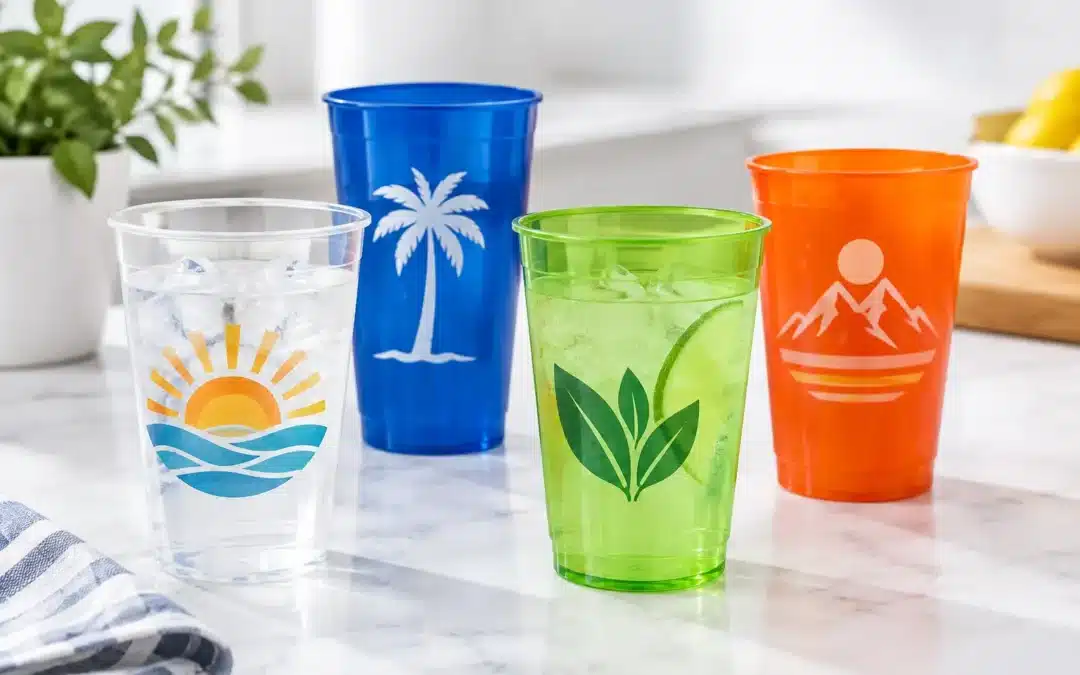
A festival bar rush, a poolside wedding or a packed club function is not the place for broken glass. That is why plastic drinkware is a practical choice for so many Australian events. But are plastic glasses safe to drink from? In most everyday situations, yes – provided they are made for food and beverage use, used as intended and replaced when they are worn out.
The material matters, as does how the glass will be used. A reusable beer glass for cold drinks has different requirements from a disposable tasting cup or a mug intended for hot beverages. For event organisers, venues and businesses ordering branded drinkware, choosing the right product is about safety, presentation and getting reliable performance across the whole occasion.
Are plastic glasses safe to drink from at events?
Food-safe plastic glasses are designed to hold beverages without introducing unwanted substances into the drink under normal conditions of use. Reputable promotional drinkware suppliers specify suitable materials and intended uses, so buyers can select cups, tumblers, beer glasses or flutes with confidence.
The key phrase is “normal conditions”. Cold beer, wine, soft drink, water and cocktails served in a suitable plastic glass are straightforward uses. Problems are more likely when a product is exposed to excessive heat, used for a drink it was not designed to hold, or kept in service long after it has become scratched, cloudy or cracked.
For busy environments, plastic also has a clear safety advantage over traditional glassware. It reduces the risk of shattered glass around pools, dance floors, outdoor spaces, sporting grounds and crowded hospitality venues. That can mean easier clean-up, fewer breakage concerns and a more relaxed experience for guests.
Start with food-grade material and the intended use
Not all plastics are the same, and a recycling symbol alone does not tell you whether a cup is appropriate for drinks. What matters is whether the item is manufactured for food contact and whether its material suits the beverage temperature and service style.
Common options include polypropylene, often used for lightweight reusable or disposable cups, and more rigid plastics used for premium-look beer glasses, wine tasters and specialty drinkware. Each has its place. A flexible party cup may be ideal for a large activation where fast service and value matter most, while a sturdier reusable option can better suit branded merchandise, clubs and commemorative events.
When ordering, ask practical questions: Is the product intended for cold beverages only? Is it suitable for hot drinks? Can it go in a dishwasher? Is it reusable, and how should it be cleaned? A dependable supplier should be able to guide you to an option that fits the job rather than simply offering a one-size-fits-all cup.
For custom orders, the decoration method matters too. Quality printing and laser etching are designed to create a long-lasting branded finish when matched to the drinkware material and its intended care instructions. This is particularly useful when glasses will be kept after the event as a promotional item rather than discarded at the end of the day.
Heat changes the equation
Heat is one of the biggest considerations with plastic drinkware. A glass that performs perfectly with a chilled schooner or sparkling water may not be suitable for coffee, tea or mulled wine. High temperatures can affect the structure of some plastics, cause warping, and increase the chance of material transfer into a drink.
Always use plastic glasses within the stated temperature range. Do not assume a plastic beer cup can safely handle boiling water simply because it looks substantial. Likewise, avoid leaving drinkware in extreme heat, such as on a dashboard, beside a barbecue hotplate or in direct summer sun for prolonged periods.
Dishwashers also create heat and chemical exposure that some products are not designed to withstand. If a glass is marked hand-wash only, follow that direction. Repeated dishwasher cycles can dull the surface, weaken printed artwork and shorten the usable life of the item. For reusable eventware, gentle washing and proper drying will preserve both hygiene and appearance.
BPA-free is useful, but it is not the only question
Many buyers look for BPA-free drinkware, and that can be a sensible preference. BPA is a chemical that has been used in certain plastics and resins, and concerns around exposure have made BPA-free options widely available.
However, “BPA-free” should not be treated as the entire safety checklist. A BPA-free cup still needs to be food-safe, fit for its intended temperature and in good condition. Equally, an older cup with no clear material information is not automatically unsafe, but it is harder to assess. For large functions and branded campaigns, new drinkware sourced from an established supplier offers clearer product information and a more consistent result.
The most useful approach is to focus on the complete product: suitable material, responsible manufacture, intended use and sensible care. That is more practical than relying on one label alone.
When should plastic glasses be replaced?
Reusable plastic glasses are made to be practical, not indestructible. Check them before use, especially if they have been stored between events or put through many wash cycles. Replace items that are cracked, heavily scratched, chipped around the rim, badly cloudy or permanently stained.
Surface damage matters for two reasons. First, a damaged glass does not look professional when it carries your logo or event artwork. Second, deep scratches and cracks can be harder to clean thoroughly, particularly in a high-turnover venue setting.
A simple visual check is usually enough. If the cup feels rough at the lip, has a split near the base, or has lost its shape, it has reached the end of its useful life. For recurring events, ordering a small number of spare branded glasses is often a practical way to maintain a polished presentation.
Safe use is also about hygiene
A food-safe plastic glass still needs clean handling. Store new drinkware in a dry, protected area before an event, rather than leaving open cartons where dust or moisture can collect. At service, avoid touching rims where possible and ensure staff use clean hands or appropriate handling practices.
For reusable items, wash promptly after use with suitable detergent, rinse well and allow them to dry completely before stacking or storing. If cups are being reused during the same event, a clear collection and wash system helps prevent mix-ups and keeps service moving.
Disposable plastic glasses have their own role. They can be a sensible option for a large public event, a one-off fundraiser or a sampling activation where collecting and washing hundreds of cups is impractical. The trade-off is that reusable drinkware generally provides a stronger long-term brand asset and can reduce the need for repeat purchasing when cared for properly.
Choosing the right plastic glass for your occasion
The safest choice is usually the one designed for the way you plan to serve drinks. A lightweight cold-drink cup is efficient for outdoor functions and high-volume bars. A durable branded stein, beer glass or mason jar can create a more premium keepsake for a corporate event, birthday or wedding. Wine tasters and flutes offer a polished option where traditional glass is unsuitable.
Consider the venue rules as well. Many sporting venues, pool areas and outdoor events restrict glass for good reason. Plastic drinkware lets organisers meet those requirements while still presenting drinks in a format that feels considered and on-brand.
For custom promotional drinkware, it helps to share the full brief early: drink type, expected guest numbers, indoor or outdoor setting, whether the glasses will be washed and reused, and how long the branding needs to last. With more than 20 years of experience supplying personalised drinkware, PlasticGlasses.net.au can help match the product format and decoration method to the occasion.
Plastic glasses are a safe, practical choice when they are food-safe, used within their limits and kept in good condition. Choose drinkware that suits the occasion, care for reusable pieces properly, and your guests can enjoy the drink while your branding stays front and centre.