
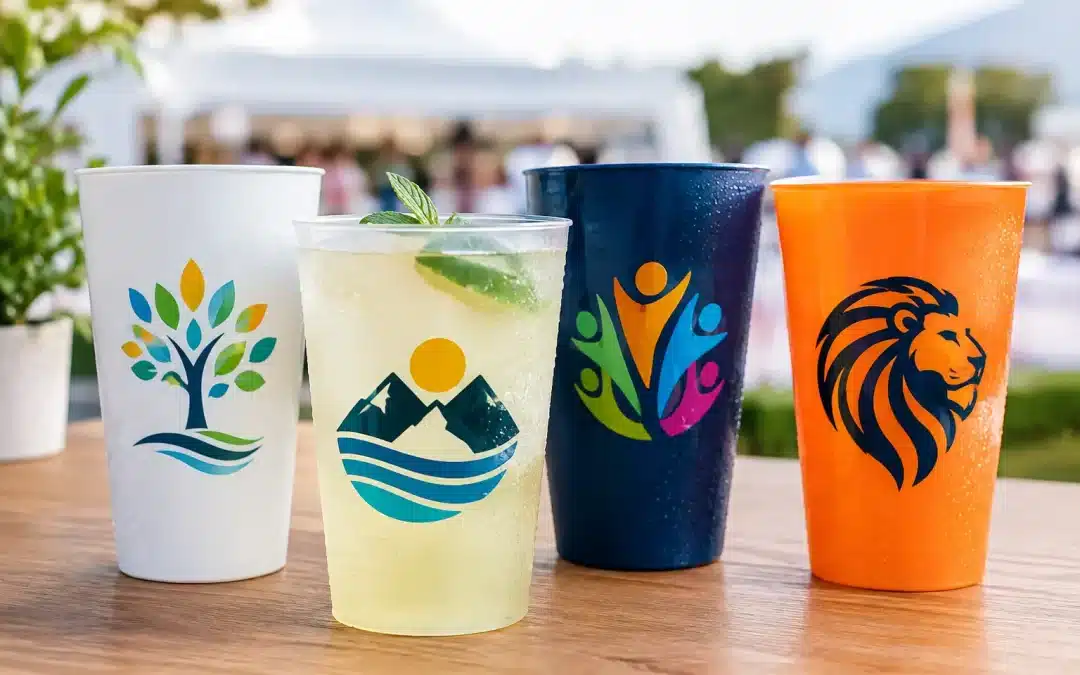
A branded cup can do more than serve a drink. At a busy festival bar, club presentation night or wedding reception, it puts your name, message or artwork directly into guests’ hands. That visibility only works when cup printing durability matches the way the drinkware will be used. A crisp logo that lasts through the event and beyond creates a far better impression than a print that scuffs, fades or peels too soon.
For Australian businesses, organisers and celebrants, the right choice comes down to more than choosing a cup shape and adding artwork. Print method, cup material, design detail and aftercare all influence how your personalised plastic glasses will perform.
What affects cup printing durability?
Durability is not one fixed promise across every cup, design and use case. A single-use branded beer cup for a product launch has different requirements from reusable plastic steins for a sports club or commemorative wine tasters for a corporate event. The best production approach depends on what the cups need to withstand.
The first consideration is the material. Plastic drinkware is available in different polymers and finishes, and each has its own surface characteristics. Some materials accept printed ink exceptionally well, while others may be better suited to a different decorating method. Smooth, clean cup surfaces provide the strongest starting point for a clear, even result.
The decoration method matters just as much. Screen printing is a dependable choice for bold logos, simple artwork and solid Pantone-matched colours. When correctly prepared and cured, it gives a professional finish suited to promotional drinkware and repeated handling. More detailed artwork, colour blends or photographic elements may require another print process, depending on the product selected.
Laser etching is another option for selected plastic glasses. Rather than applying ink, the process marks the surface of the drinkware to create a refined, permanent-looking finish. It is particularly effective where a subtle branded result is preferred. However, laser etching is material-specific, so it is best assessed alongside the chosen cup style rather than treated as a one-size-fits-all solution.
The print method should suit the occasion
Choosing the right decoration method starts with a practical question: will guests use the cup once, take it home as a keepsake, or return it for repeated use? There is no benefit in specifying a premium long-term finish for disposable eventware if the budget is better spent on quantity. Equally, a reusable cup intended for a venue, club or merchandise range deserves a method designed for regular handling.
For high-volume activations, branded plastic beer glasses and speciality cups are often selected for their practicality. A strong one- or two-colour print can be highly visible from across a room, easy to recognise in event photography and cost-effective at scale. Clear artwork and a sensible print area usually deliver the best result.
For weddings, birthdays and milestone occasions, the focus may shift towards presentation and keepsake value. Personalised flutes, mason jars, mugs or wine tasters can carry names, dates, monograms and event artwork that guests are likely to keep. In these cases, an experienced supplier can recommend a cup and decoration method that balance appearance, budget and expected lifespan.
Hospitality operators and clubs may need drinkware that works harder. Frequent service, stacking, transport and washing place more demand on both the cup and its branding. Being upfront about the intended use allows the production recommendation to reflect real conditions rather than an ideal scenario.
Design choices that help printing last
Good durability begins before production. Artwork that looks excellent on a computer screen can need adjustment to print cleanly on a curved plastic surface. Fine lines, tiny text and intricate detail may lose impact when viewed at drink-service distance, particularly on clear cups.
Bold artwork generally performs best. A logo with clear shapes, adequate spacing and strong contrast will remain recognisable even after a busy event. This does not mean every design needs to be oversized or simple. It means the design should be tailored to the available print area and the viewing conditions.
Colour selection also deserves attention. Pantone colour matching can help businesses maintain brand consistency across promotional materials, but the final appearance may be influenced by the cup colour and transparency. Ink printed onto clear plastic can look different from the same ink printed onto white or frosted drinkware. A free digital proof is valuable here, giving you the chance to check layout, placement, spelling and colour direction before production begins.
Consider the design’s position as well. Artwork placed too close to the rim may be exposed to more contact during drinking and handling. Printing low on a tapered cup can distort a logo or make it harder to see when the cup is being held. A well-positioned design looks intentional and helps protect the branded area from unnecessary wear.
Washing and handling make a real difference
Even a well-produced print can be affected by harsh treatment. Reusable plastic glasses should be washed according to the care advice for their material and decoration. High heat, abrasive scourers, strong chemicals and repeated commercial dishwashing cycles can reduce the life of some printed finishes.
For cups intended to be reused, gentle washing is usually the sensible option. Use a soft cloth or sponge, avoid abrasive pads, and do not leave drinkware soaking in harsh cleaning products. Allowing cups to dry properly before stacking also helps keep them looking their best.
Storage matters more than many buyers expect. When loose cups are transported in cartons or tubs, logos can rub against other surfaces. This is especially relevant for large event orders moved between venues, marquees and storage areas. Keeping cups securely packed, avoiding excessive pressure and handling them carefully during set-up protects both the drinkware and the print.
It also helps to set realistic expectations. A plastic glass used at a Saturday afternoon event and taken home by a guest faces very different wear from one used daily in a busy clubhouse. Cup printing durability should be matched to the job, not judged against conditions the product was never designed to meet.
Planning a durable branded cup order
The easiest way to achieve a lasting result is to share the full picture early. Let your supplier know the event date, quantity, drink type, whether cups will be reused, preferred colours and the artwork you want printed. If you have a specific concern, such as frequent washing, outdoor use or a large logo across a curved surface, mention it before finalising the order.
A good production partner will help identify potential issues before cups go to print. They can check whether your artwork is suitable, recommend practical adjustments, advise on the most appropriate cup style and provide a digital proof for approval. This consultative step is particularly useful when ordering for a campaign, venue or large celebration where there is little room for surprises.
At PlasticGlasses.net.au, custom drinkware is approached as a practical branding tool, not just a container. With a broad choice of personalised plastic glasses and support from artwork through to nationwide delivery, the aim is to help each order suit its occasion and use.
When durability is worth investing in
The longest-lasting option is not automatically the right option, but it can offer better value when branded cups will remain in circulation. A reusable cup that stays attractive can continue promoting a venue, sponsor, club or business long after the original event. Guests may use it at home, bring it back to future functions or keep it as a reminder of the occasion.
For one-off campaigns, durability still matters because the cup must look sharp throughout service. For ongoing promotions and merchandise, it becomes part of the return on investment. The right combination of material, print method and thoughtful artwork turns a simple plastic glass into a useful branded asset people are happy to keep.
Before you approve your next custom cup order, think about where it will go after the final drink is served. That answer will point you towards the finish, design and level of care that give your branding the best chance to stay visible.