
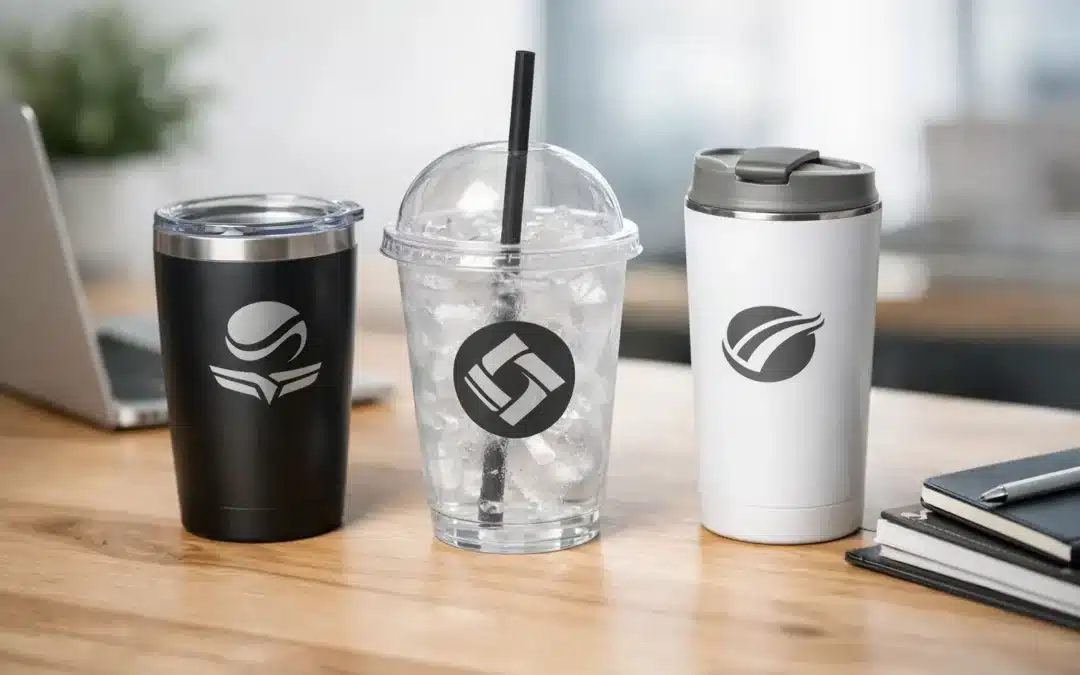
A reusable cup is one of the few promotional products people will hold, photograph and take home in the same day. Knowing how to brand reusable cups well turns practical drinkware into a visible reminder of your event, venue, club or business long after the bar closes.
The strongest result is not simply a logo printed on plastic. It is a cup that feels right for the occasion, carries artwork that can be recognised at a glance and is made to stay useful. Whether you are organising a corporate function, festival, wedding, hospitality promotion or club fundraiser, the decisions made before production will shape how often people use – and see – your branded cups.
Start with the job your reusable cup needs to do
Before choosing colours or artwork, decide how the cup will be used. A beer cup handed out at a large outdoor activation needs different features from a keepsake wine tumbler for a wedding or a branded mug for a sports club.
For high-volume events, lightweight stackable plastic cups can make service quicker and simplify pack-down. They are practical for beer, soft drink and mixed drinks, and their larger print areas give logos plenty of room. A sturdy beer stein, mason jar or handled mug can create a more substantial merchandise or commemorative item, particularly where guests are likely to take the cup home.
The drink being served matters too. Wine tasters and flutes create a more polished presentation for tastings, launches and formal celebrations, while specialty cups can help a product launch or venue offer feel more distinctive. Choose a format that suits the occasion first, then build the branding around it.
Reusable does not automatically mean a lower-impact choice. The value comes when guests reuse the cup at the event and beyond it. A durable design, a useful size and artwork people are happy to carry around all make repeat use more likely.
How to brand reusable cups with clear, usable artwork
Cups are curved, handled and held in the hand, so artwork needs to be designed for the product rather than copied straight from a poster or website header. A detailed design may look excellent on a screen but lose definition once printed at cup size.
Keep the main message simple. In most cases, a logo, event name, short campaign line or commemorative date is enough. If your branding includes several elements, establish a clear hierarchy: the business or event name should be the first thing people notice, followed by the supporting message. Tiny contact details, dense paragraphs and overly fine lines rarely add value on drinkware.
High-resolution vector artwork is generally the best starting point because it holds clean edges when enlarged or reduced. Files such as AI, EPS or press-ready PDF are ideal where available. If all you have is a JPG or PNG, use the highest-quality original you can find rather than a screenshot from social media.
A digital proof is an essential part of the process. Review it closely for spelling, placement, print size and colour direction before approving production. This is also the time to confirm whether the artwork wraps around the cup, sits on one side or is printed on opposite sides for visibility from different angles.
Make the print readable from a few metres away
At an event, your cup will often be seen from across a table, in a crowd or in a guest’s hand. Bold typefaces, confident logo shapes and strong contrast work harder in these settings than intricate design treatments.
A dark print on a light or frosted cup is often a safe, highly legible option. A light print on a dark cup can look equally effective, provided the contrast is strong. Where accurate brand colour is critical, Pantone colour matching can help maintain consistency with your wider campaign materials, uniforms or signage.
Do not assume every brand colour will reproduce the same way on every cup finish. Transparent, frosted, solid-colour and metallic-look plastics each affect how ink appears. Ask for guidance when colour accuracy is a priority, especially if the cup itself is not clear or white.
Choose a cup colour that supports the brand
The cup is part of the design, not merely the surface it is printed on. Clear plastic keeps drinks visible and lets a coloured logo stand out. Frosted cups offer a softer, contemporary look and are popular for events where the drink presentation is part of the experience. Solid-colour cups can deliver immediate brand recognition but need a carefully selected print colour to avoid low contrast.
For a promotion with a bold identity, matching the cup colour to one of your core brand colours can create a strong visual effect. For a wedding, anniversary or personal milestone, a neutral cup with elegant one-colour artwork may feel more timeless and more likely to be reused at home.
There is a practical trade-off. A highly specific event date or themed graphic may make the cup a treasured keepsake, but it can limit reuse after the occasion. A less date-driven design, such as a venue logo or quality illustration, often gives the cup a longer life. The right option depends on whether your goal is memorabilia, ongoing brand exposure or both.
Match the decoration method to the intended lifespan
The decoration method should suit the look you want, the quantity you require and the way the cups will be used. Printed branding is a flexible option for logos, campaign graphics and coloured artwork across a wide range of plastic drinkware. It is particularly effective for event giveaways, hospitality service and promotional campaigns.
Laser etching creates a different finish. Rather than applying ink, it marks the surface to produce a precise, understated effect. It can be an excellent choice for premium-looking cups, staff gifts, corporate functions and designs that benefit from a more permanent visual treatment.
Your artwork and cup material will influence what is possible, so do not choose a method based on appearance alone. Consider the quantity, required delivery date, number of print colours and whether cups will be washed repeatedly. A supplier that checks the artwork against the chosen product can prevent an attractive concept becoming an impractical production job.
Plan quantity, timing and distribution early
Branded reusable cups work best when they are integrated into the event plan, not ordered as an afterthought. Your expected attendance is only the starting point. Think about staff, VIPs, breakages, late registrations and whether guests can retain their cup or exchange it during service.
For a ticketed event, you may provide one cup per attendee and hold a modest reserve. At a busy venue activation, you may need a larger pool for circulation and washing. Clubs and community groups may prefer to order a quantity that covers several fixtures or fundraising dates, which can make the design more useful over time.
Lead times vary according to the product, print requirements and production schedule. Allow enough time for artwork preparation, proof approval, production and delivery to your location. Leaving the decision until the final week can reduce product options and make a carefully planned campaign feel rushed.
If the cups are part of a wider branded package, coordinate them with bar signage, event lanyards, merchandise, tableware or sponsor materials. The cup does not need to carry every message when the surrounding event already supports the campaign. In fact, a clean logo on the cup can be more memorable than a crowded design trying to do too much.
Give guests a reason to keep using the cup
A branded cup earns its promotional value through repeat visibility. It should be a useful vessel first and an advertisement second. Comfortable handling, a suitable capacity and a design that fits naturally into everyday use all matter.
Consider adding a simple line that gives the cup personality without overwhelming the branding. A local club slogan, a playful event reference or an illustration tied to the venue can make it feel worth keeping. For hospitality operators, a well-designed reusable cup can become part of the customer experience rather than just serviceware.
PlasticGlasses.net.au can help customers turn supplied artwork into a practical custom drinkware solution, with digital proofs and tailored advice on product format, decoration and quantities. That support is especially valuable when you are balancing a deadline, a budget and a specific brand standard.
A well-branded reusable cup should still make sense in someone’s kitchen cupboard months later. Aim for that small but meaningful test: if a guest reaches for it again, your brand has earned another moment of attention.