
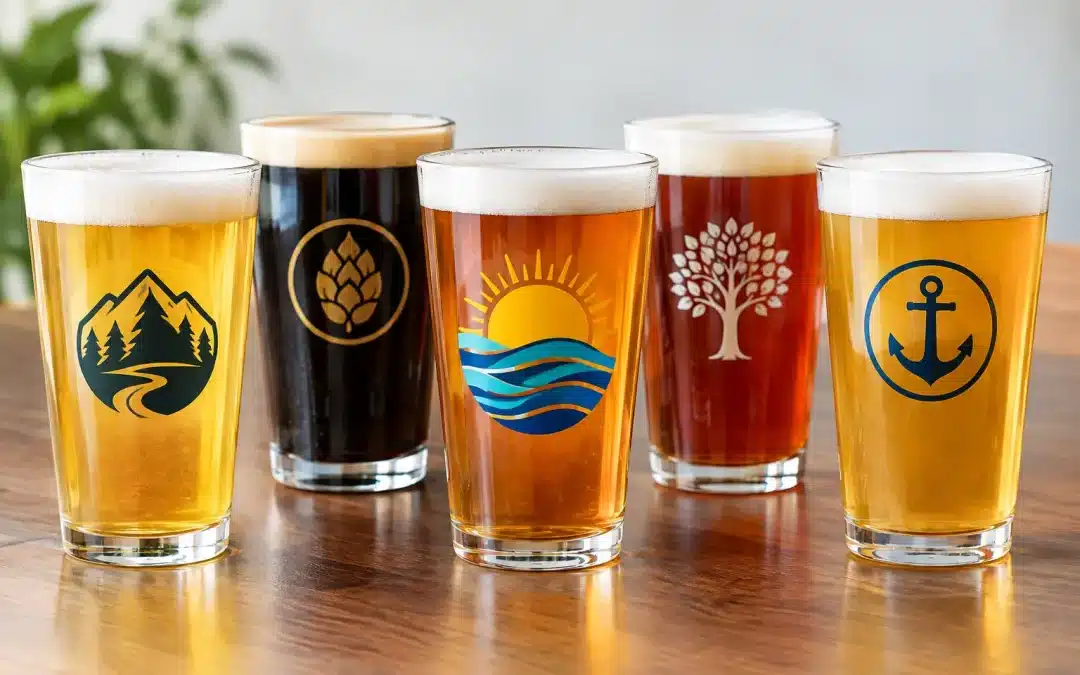
A pint of beer has a familiar place at the pub, but choosing a pint glass for an event is not as simple as picking the tallest cup on the table. The right shape affects how the drink feels in hand, how clearly your logo is seen and how well the glass performs in a busy function setting. This pint glass comparison helps Australian event organisers, venues, clubs and brands select drinkware that looks the part and works hard throughout the occasion.
For promotional use, the best choice usually comes down to three things: the drink you are serving, the setting you are serving it in and the message you want guests to take away. A corporate launch needs a different result from a brewery activation, a wedding bar or a community fundraiser.
Start with capacity, not the name
In Australia, a pint commonly refers to a 570 mL serve, although actual serving sizes can vary between venues and states. It should not be confused with the smaller US pint, which is about 473 mL. If you are ordering branded drinkware, always confirm the usable fill volume and any required headspace before approving a design or placing an order.
This matters for more than portion control. A cup that is filled too close to the rim is difficult to carry through a crowded room. One with excessive spare capacity can make a serve look underpoured. For beer, headspace is particularly useful for presentation and aroma, while soft drinks, mixers and water may benefit from a more generous capacity for ice.
For licensed events, check the requirements of your venue and liquor service arrangements. Branded plastic glasses are practical eventware, but the drinkware still needs to suit the way the bar will measure and serve each beverage.
Pint glass comparison: the main shapes
Conical pint glasses
The conical pint is the straightforward, tapered style many people recognise immediately. It is wider at the top and narrower at the base, creating a casual, easy-to-hold profile. Its simple silhouette makes it a sensible option for festivals, sporting clubs, large celebrations and high-volume bar service.
From a branding perspective, the broad upper section offers a clear print area for a logo, event name or campaign artwork. The trade-off is that a very tapered wall can make large designs appear slightly curved when viewed from different angles. A skilled artwork proof helps ensure the logo remains readable and well positioned.
Conical styles are especially useful when value and versatility are the priorities. They suit beer, cider, premixed drinks, soft drink and water, making stock easier to manage at mixed-guest events.
Nonic pint glasses
A nonic glass has a noticeable bulge just below the rim. That detail is not only decorative. It gives the glass a more substantial feel in the hand, helps glasses separate when stacked and offers some extra grip in a busy bar environment.
For pubs, breweries, hospitality operators and heritage-themed events, the nonic style can create a more traditional beer-drinking experience. It feels more considered than a basic straight-sided cup while remaining familiar and practical.
The bulge does mean artwork placement needs extra care. Fine text or a logo that crosses the change in shape may not reproduce as cleanly as a centred design on a flatter section. A strong, simple mark often delivers the best visual impact on this style.
Straight-sided pints
Straight-sided pint glasses have a clean, contemporary look. Their even walls provide a consistent surface for custom printing, which makes them a strong choice for promotional campaigns where the branding needs to be the hero.
This format works well for bold logos, repeated patterns, sponsor marks and event graphics. It can also suit a more polished corporate function, particularly when paired with crisp one-colour printing or laser-etched decoration on a suitable reusable product.
While the style is visually flexible, consider the grip and intended audience. A straight-sided cup may feel less secure than a tapered or textured design when condensation builds up. For seated functions or controlled indoor events, that is rarely an issue. For outdoor activations and dance-floor celebrations, a grippier shape may be the better practical solution.
Handled pint mugs and steins
Handled pint mugs and steins offer presence. They are ideal when the drinkware is intended to be kept, reused or sold as merchandise rather than used once and discarded. The handle keeps hands away from a cold drink and gives the piece a more memorable, substantial character.
They are well suited to beer festivals, club anniversaries, milestone birthdays, themed events and branded merchandise programs. A custom stein can become part of the event experience, particularly when guests take it home as a useful reminder of the occasion.
The consideration is storage and service. Handled drinkware requires more space than stackable cups and may not be the best fit for a compact pop-up bar. It is worth choosing when the perceived value and commemorative appeal justify the additional handling.
Plastic versus glass for event service
Traditional glass has weight, clarity and a premium feel. It can be a good fit for restaurants, formal functions and venue settings where breakage risk is low and washing facilities are readily available. However, it is not always the most practical choice for a large event.
Custom plastic pint glasses are a safer option around pools, outdoor areas, crowded function spaces and live entertainment venues. They are lighter to transport, reduce the risk created by broken glass and are easier for guests to carry. For organisers, that can mean quicker pack-down, fewer breakages and a more relaxed service environment.
Not all plastic drinkware serves the same purpose. Reusable options are a sensible choice for branded campaigns, staff functions and events where guests will keep their cup. Disposable formats can suit very large attendance numbers and fast-paced service. The right decision depends on your budget, waste plan, event duration and whether you want the glass to continue promoting your brand after the final drink is poured.
Choose a shape that supports your artwork
A pint glass is a moving billboard. It sits in guests’ hands, appears in event photos and often stays on kitchen shelves, office desks or home bar carts long after the function. That makes print placement and decoration method worth considering early.
For a simple logo, a centred one-colour print may be all you need. It is clean, cost-effective and highly visible. For campaign artwork with several colours, Pantone-matched printing can help keep brand colours consistent across your promotional materials. Laser etching creates a refined, permanent-looking finish on compatible reusable drinkware and is particularly effective for names, club emblems and understated corporate branding.
Avoid treating the full available surface as a canvas by default. Fine type, overly detailed illustrations and crowded layouts can be hard to read on a curved cup. Strong contrast, clear spacing and a design sized for viewing from arm’s length will usually achieve a better result. Free digital proofs are useful here, allowing you to review scale, placement and colour before production begins.
Match the pint to the occasion
For a brewery or beer-focused event, a nonic or traditional pint style reinforces the product experience. For a product launch, straight-sided reusable cups can put campaign branding front and centre. For weddings and birthdays, a personalised handled mug or quality reusable pint can double as a keepsake. For sporting clubs and community groups, a practical stackable option may offer the best balance of cost, safety and visibility.
Also consider who will be holding the glass. A black-tie crowd at a seated dinner may appreciate a refined profile. A festival crowd walking between food stalls needs something light, secure and safe. There is no single best pint glass, only the one that makes service easier and your branding more effective.
Plan production around the event date
Custom drinkware needs more than an artwork file. It needs a clear quantity, delivery location, decoration requirements and enough time for proofing and production. Ordering early gives you more flexibility on glass style, print method and design refinements, particularly when a specific colour match or larger volume is required.
It is also wise to allow for extras. Guest numbers can change, staff need drinks, and a small reserve prevents a successful event from running short at the bar. For repeat annual events, keeping the artwork consistent can build recognition year after year while letting you update dates or sponsor details as needed.
PlasticGlasses.net.au can help turn an initial idea into a practical, branded drinkware solution, with custom options suited to events across Australia. Choose the pint that guests will enjoy using, then give it a design they will be pleased to keep.